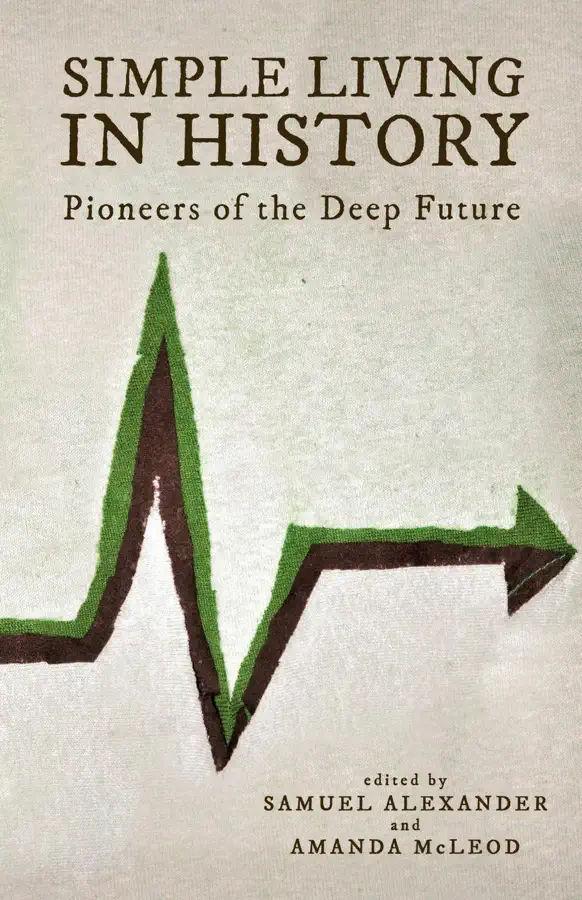
Simple Living in History
Samuel Alexander, Amanda McLeod & Various Authors
Turn its ideas into short, game-like lessons you’ll actually finish.
About Simple Living in History
The dominant culture of industrial civilisation is highly materialistic, holding up Western-style, consumer lifestyles as the path to happiness and fulfilment. But consumer lifestyles are failing to satisfy the human craving for meaning, and they are degrading our planet in ways that are grossly unsustainable and unjust. We desperately need to explore or rediscover less materialistic, 'simpler' ways of living.'Simple living' refers to ways of life based on notions such as frugality, sufficiency, moderation, and mindfulness. This anthology brings together twenty-six short essays discussing the most significant individuals, cultures, and movements that have embraced simple living throughout history. What did Buddha and Jesus think about simple living? What contribution did the ancient Greeks and Romans make? How do the Amish and the Quakers live? And why did Henry Thoreau leave his hometown to live in the woods? Readers will also gain insight into the lives and philosophies of people like Mahatma Gandhi and William Morris, and learn about contemporary eco-social movements, such as those based on permaculture, intentional communities, degrowth, and voluntary simplicity. This deep but engaging book examines these great moments in the story of simple living, and many more, but it looks backwards in order to shed light on the present and future.Read it and be inspired.'This engaging book raises one of the key questions of our times, presenting a rich tapestry of perspectives on what it means to live simply.' - ROB HOPKINS, The Transition Handbook'Simple Living in History challenges the mentality of waste and extravagance that defines modern industrial lifestyles, reminding us that the answers we need have been here all along, waiting for us to notice them.' - JOHN MICHAEL GREER, The Wealth of Nature and Green Wizardry'This book highlights the continuous cultural lineage that underpins current activism for an ecologically viable and spiritually nourishing life now and in the future. For permaculture practitioners and activists focused on building ecologically smart, localised economies, this book highlights how rethinking our attitudes and behaviour toward consumption can be a fruitful pathway to social and ecological harmony.' - DAVID HOLMGREN, Permaculture: Principles and Pathways beyond Sustainability
A smarter reading
and learning experience.
Hooked from page one.Every lesson opens on a question you want to answer, so your mind stays on it instead of drifting off.

Get it in seconds.Right after you answer, a few plain words show why. No dense chapters to push through.

Use it this week.Pick the moment you’ll use the idea in your own life, so it turns into a habit, not a highlight.

Questions about Simple Living in History
What is Simple Living in History about?
The dominant culture of industrial civilisation is highly materialistic, holding up Western-style, consumer lifestyles as the path to happiness and fulfilment.
Who wrote Simple Living in History?
Samuel Alexander, Amanda McLeod & Various Authors wrote Simple Living in History.
Is there a summary of Simple Living in History?
MEMRBL doesn’t summarize it. It turns its ideas into short lessons on your iPhone: you guess first, see why, and plan where you’ll use each idea this week.
How do I remember what I read in Simple Living in History?
Answer questions about it instead of reading it again. Recalling an idea makes it stick better than rereading it (Pan and Sana, 2021). That is how every MEMRBL lesson works.
What books are like Simple Living in History?
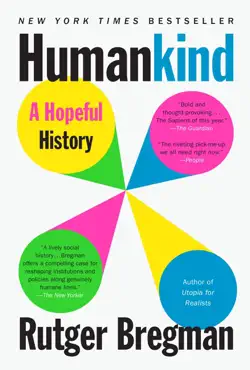
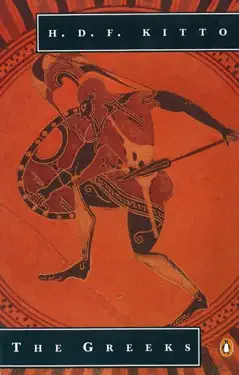
The Dawn of Everything, Humankind and The Greeks. See all books like Simple Living in History.
Books like Simple Living in History
See all


Explore more books
Put Simple Living in History to work.
Short lessons on your iPhone. Free to download.