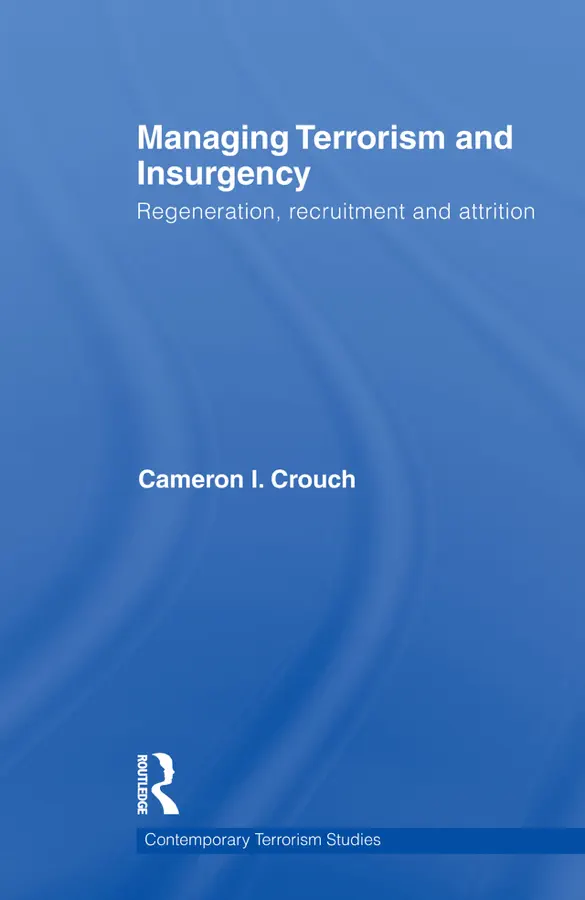
Managing Terrorism and Insurgency
Cameron I. Crouch
Turn its ideas into short, game-like lessons you’ll actually finish.
About Managing Terrorism and Insurgency
This book examines how governments can weaken the regenerative capabilities of terrorist and insurgent groups.
The exploration of this question takes the form of a two-tier examination of three insurgent actors whose capacity to regenerate weakened in the past: the Front de libération du Québec (FLQ) of Canada, the Movimiento de Liberación Nacional - Tupamaros (MLN-T) of Uruguay and the Provisional Irish Republican Army (PIRA) of Northern Ireland during the mid-1970s.
At the first level of its examination, the book investigates the extent to which the regenerative capacities of the FLQ, MLN-T, and PIRA weakened because of an increase in attrition and a decrease in recruitment. The primary objectives of this analysis are to uncover whether a declining intake of recruits played a lesser, equal, or greater role than a burgeoning loss of personnel in weakening the capacities to regenerate of the three insurgent actors; and, in turn, to shed greater light on the broader validity of the prevailing view in conflict studies that a decrease in recruitment is more important than an increase in attrition in effecting the corrosion of an insurgent actor's capacity to regenerate.
At the second level of its exploration, the book assesses the effectiveness of five of the most prominent policy prescriptions in the literature and insurgent recruitment and attrition: ameliorating grievances, selective repression, discrediting insurgent ideology, improving intelligence collection, and restricting civil liberties
This book will be of much interest to students of terrorism and counter-terrorism, conflict studies, strategic studies and security studies in general.
Cameron Crouch is currently an Analyst at Allen Consulting Group, an Australian economics and public policy consulting firm. He has a PhD from the Strategic and Defence Studies Centre at The Australian National University.
A smarter reading
and learning experience.
Hooked from page one.Every lesson opens on a question you want to answer, so your mind stays on it instead of drifting off.
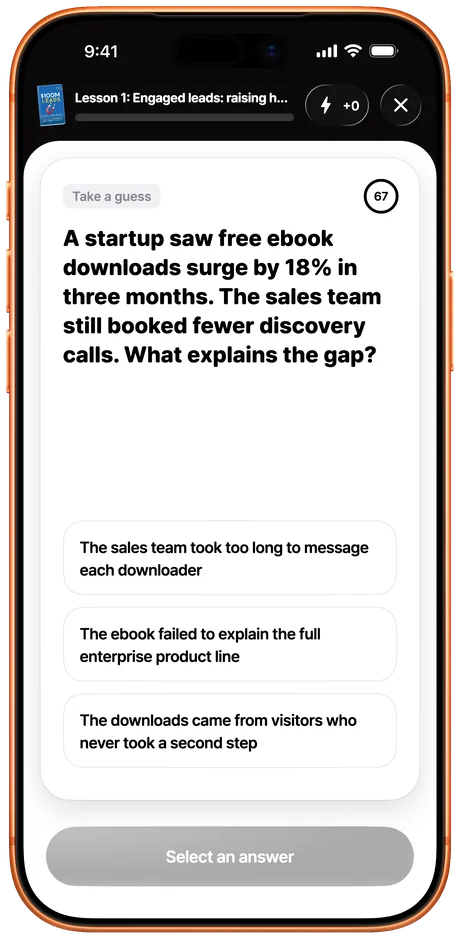
Get it in seconds.Right after you answer, a few plain words show why. No dense chapters to push through.

Use it this week.Pick the moment you’ll use the idea in your own life, so it turns into a habit, not a highlight.

Questions about Managing Terrorism and Insurgency
What is Managing Terrorism and Insurgency about?
This book examines how governments can weaken the regenerative capabilities of terrorist and insurgent groups. The exploration of this question takes the form of a two-tier examination of three insurgent actors whose capacity to regenerate weakened in the past: the Front de libération du Québec (FLQ) of Canada, the…
Who wrote Managing Terrorism and Insurgency?
Cameron I. Crouch wrote Managing Terrorism and Insurgency.
Is there a summary of Managing Terrorism and Insurgency?
MEMRBL doesn’t summarize it. It turns its ideas into short lessons on your iPhone: you guess first, see why, and plan where you’ll use each idea this week.
How do I remember what I read in Managing Terrorism and Insurgency?
Answer questions about it instead of reading it again. Recalling an idea makes it stick better than rereading it (Pan and Sana, 2021). That is how every MEMRBL lesson works.
What books are like Managing Terrorism and Insurgency?
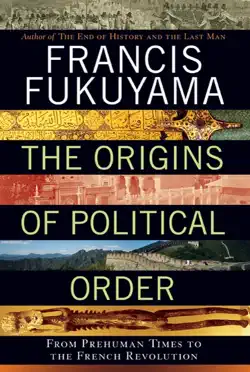
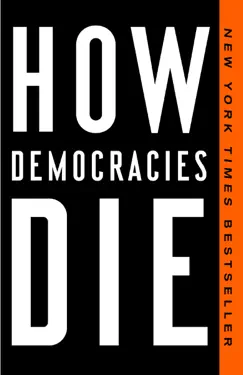
Prisoners of Geography, The Origins of Political Order and How Democracies Die. See all books like Managing Terrorism and Insurgency.
Books like Managing Terrorism and Insurgency
See all


Explore more books
Put Managing Terrorism and Insurgency to work.
Short lessons on your iPhone. Free to download.