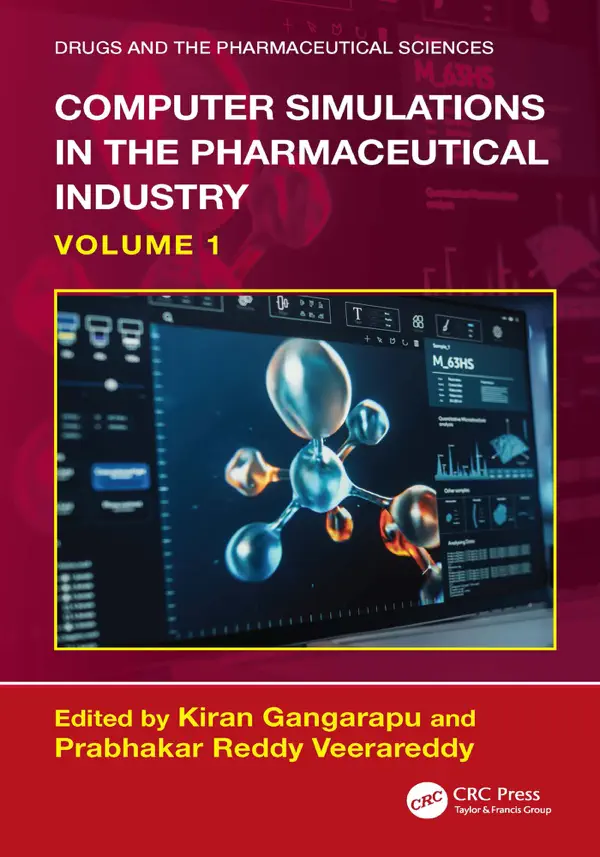
Computer Simulations in the Pharmaceutical Industry
Kiran Gangarapu & Prabhakar Reddy Veerareddy
Turn its ideas into short, game-like lessons you’ll actually finish.
About Computer Simulations in the Pharmaceutical Industry
The application of computational modeling and simulation has extended beyond PK/PD prediction of clinical trial outcomes by defining regulatory strategy as well as optimization of therapeutic candidates. Further, regulatory agencies are accepting modeling and simulation for approval in special populations, drug–drug interactions, and dosing regimen changes. This volume provides a comprehensive coverage of drug design, chemoinformatics, molecular modeling, and computer-aided formulation development. Computer simulations play a crucial role in the pharmaceutical industry, accelerating drug discovery and development by predicting drug behavior and optimizing systems, thus reducing the need for animal testing.
Key Features Illustrates how computer simulations play a crucial role in the pharmaceutical industry, accelerating drug discovery and development. PK/PD simulations play a crucial role in optimizing dosing regimens and understanding the time course of drug effects. Depicts the role of computers in drug research development, both in clinical and preclinical stage by citing examples of approved FDA drugs. Provides case studies detailing the step-by-step process for using software such as Python for programming in the pharmaceutical industry; Gromacs, DataWarrior, AutoDock and Biovia. Discusses how artificial intelligence and machine learning can be used to optimize and refine simulation models.
A smarter reading
and learning experience.
Hooked from page one.Every lesson opens on a question you want to answer, so your mind stays on it instead of drifting off.
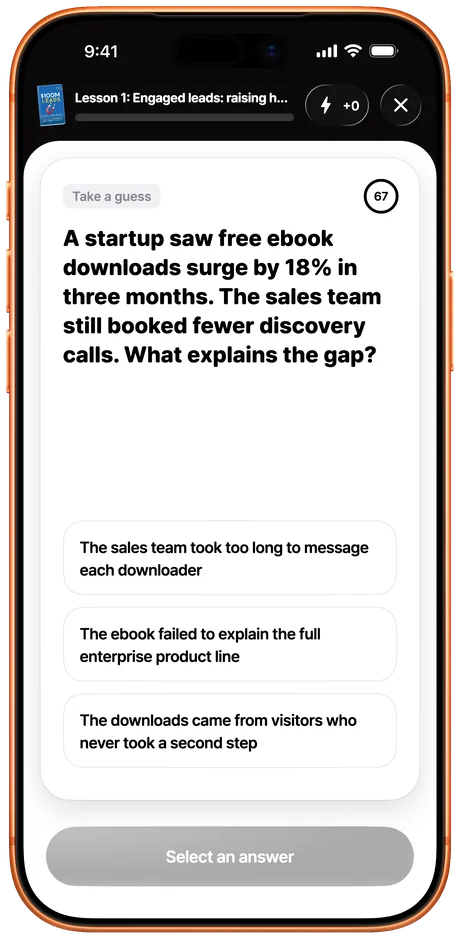

Get it in seconds.Right after you answer, a few plain words show why. No dense chapters to push through.
Use it this week.Pick the moment you’ll use the idea in your own life, so it turns into a habit, not a highlight.
Questions about Computer Simulations in the Pharmaceutical Industry
What is Computer Simulations in the Pharmaceutical Industry about?
The application of computational modeling and simulation has extended beyond PK/PD prediction of clinical trial outcomes by defining regulatory strategy as well as optimization of therapeutic candidates.
Who wrote Computer Simulations in the Pharmaceutical Industry?
Kiran Gangarapu & Prabhakar Reddy Veerareddy wrote Computer Simulations in the Pharmaceutical Industry.
Is there a summary of Computer Simulations in the Pharmaceutical Industry?
MEMRBL doesn’t summarize it. It turns its ideas into short lessons on your iPhone: you guess first, see why, and plan where you’ll use each idea this week.
How do I remember what I read in Computer Simulations in the Pharmaceutical Industry?
Answer questions about it instead of reading it again. Recalling an idea makes it stick better than rereading it (Pan and Sana, 2021). That is how every MEMRBL lesson works.
What books are like Computer Simulations in the Pharmaceutical Industry?
How the World Really Works, Naked Statistics and Scale. See all books like Computer Simulations in the Pharmaceutical Industry.
Books like Computer Simulations in the Pharmaceutical Industry
See all


Explore more books
Put Computer Simulations in the Pharmaceutical Industry to work.
Short lessons on your iPhone. Free to download.