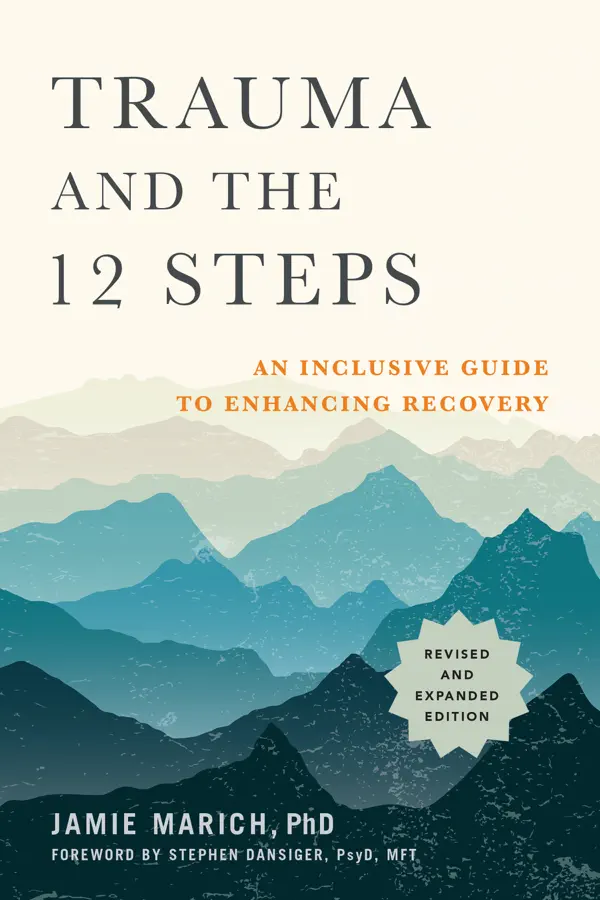
Trauma and the 12 Steps, Revised and Expanded
Jamie Marich PhD
Turn its ideas into short, game-like lessons you’ll actually finish.
About Trauma and the 12 Steps, Revised and Expanded
An inclusive, research-based guide to working the 12 steps: a trauma-informed approach for clinicians, sponsors, and those in recovery.
Step 1: You admit that you're powerless over your addiction. Now what?
12-step programs like Alcoholics Anonymous (AA) and Narcotics Anonymous (NA) have helped countless people on the path to recovery. But many still feel that 12-step programs aren't for them: that the spiritual emphasis is too narrow, the modality too old-school, the setting too triggering, or the space too exclusive. Some struggle with an addict label that can eclipse the histories, traumas, and experiences that feed into addiction, or dismisses the effects of adverse experiences like trauma in the first place. Advances in addiction medicine, trauma, neuropsychiatry, social theory, and overall strides in inclusivity need to be integrated into modern-day 12-step programs to reflect the latest research and what it means to live with an addiction today.
Dr. Jamie Marich, an addiction and trauma clinician in recovery herself, builds necessary bridges between the 12-step's core foundations and up-to-date developments in trauma-informed care. Foregrounding the intersections of addiction, trauma, identity, and systems of oppression, Marich's approach treats the whole person—not just the addiction—to foster healing, transformation, and growth.
Written for clinicians, therapists, sponsors, and those in recovery, Marich provides an extensive toolkit of trauma-informed skills that: Explains how trauma impacts addiction, recovery, and relapseCelebrates communities who may feel excluded from the program, like atheists, agnostics, and LGBTQ+ folksWelcomes outside help from the fields of trauma, dissociation, mindfulness, and addiction researchExplains the differences between being trauma-informed and trauma-sensitive; andDiscusses spiritual abuse as a legitimate form of trauma that can profoundly impede spirituality-based approaches to healing.
A smarter reading
and learning experience.
Hooked from page one.Every lesson opens on a question you want to answer, so your mind stays on it instead of drifting off.

Get it in seconds.Right after you answer, a few plain words show why. No dense chapters to push through.

Use it this week.Pick the moment you’ll use the idea in your own life, so it turns into a habit, not a highlight.

Questions about Trauma and the 12 Steps, Revised and Expanded
What is Trauma and the 12 Steps, Revised and Expanded about?
An inclusive, research-based guide to working the 12 steps: a trauma-informed approach for clinicians, sponsors, and those in recovery. Step 1: You admit that you're powerless over your addiction.
Who wrote Trauma and the 12 Steps, Revised and Expanded?
Jamie Marich PhD wrote Trauma and the 12 Steps, Revised and Expanded.
Is there a summary of Trauma and the 12 Steps, Revised and Expanded?
MEMRBL doesn’t summarize it. It turns its ideas into short lessons on your iPhone: you guess first, see why, and plan where you’ll use each idea this week.
How do I remember what I read in Trauma and the 12 Steps, Revised and Expanded?
Answer questions about it instead of reading it again. Recalling an idea makes it stick better than rereading it (Pan and Sana, 2021). That is how every MEMRBL lesson works.
What books are like Trauma and the 12 Steps, Revised and Expanded?
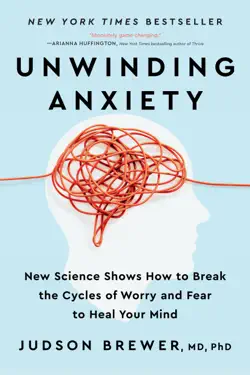
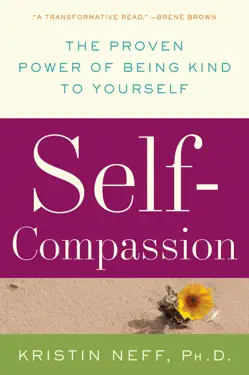
No Bad Parts, Unwinding Anxiety and Self-Compassion. See all books like Trauma and the 12 Steps, Revised and Expanded.
Books like Trauma and the 12 Steps, Revised and Expanded
See all


Explore more books
Put Trauma and the 12 Steps, Revised and Expanded to work.
Short lessons on your iPhone. Free to download.