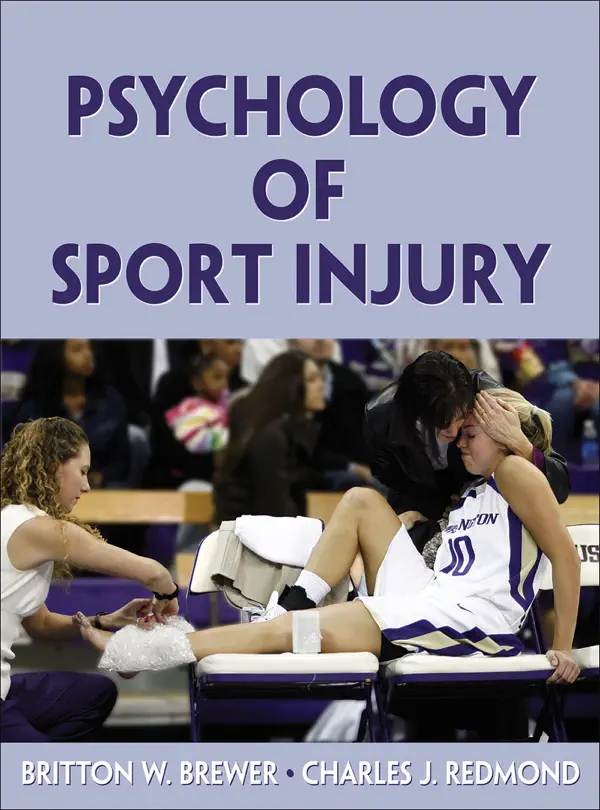
Psychology of Sport Injury
Britton W. Brewer
Turn its ideas into short, game-like lessons you’ll actually finish.
About Psychology of Sport Injury
From a gymnast hiding ankle pain so she can compete to a basketball player who withdraws from friends after a season-ending injury, it can be argued that every sport injury affects or is affected in some way by psychological factors. Given the widespread importance of psychological issues in sport injury, it is important for those working with athletes—injured or not—to be aware of the latest developments on the subject.
Written by a sport psychology consultant and an athletic trainer, Psychology of Sport Injury provides a thorough explanation of the elements and effects of sport injuries along with up-to-date research and insights for practical application. The authors offer a contemporary approach to preventing, treating, rehabilitating, and communicating professionally about sport injuries that takes into account physical, psychological, and social factors.
Psychology of Sport Injury presents sport injury within a broader context of public health and offers insights into the many areas in which psychology may affect athletes, such as risk culture, the many facets of pain, athlete adherence to rehab regimens, the relationship between psychological factors and clinical outcomes, collaboration, and referrals for additional support. The book explores the relevant biological, psychological, and social factors that affect given circumstances. The text consists of four parts: Understanding and Preventing Sport Injuries, Consequences of Sport Injury, Rehabilitation of Sport Injury, and Communication in Sport Injury Management.
Psychology of Sport Injury includes evidence-based examples and demonstrates real-world applications that sport health care professionals often face with athletes. Additional pedagogical features include the following:
• Focus on Research boxes provide the what and why of the latest research to complement the applied approach of the text.
• Focus on Application boxes highlight practical examples to illustrate the material and maintain student engagement.
• Psychosocial content aligned with the latest educational competencies of the National Athletic Trainers’ Association (NATA) helps students prepare for athletic training examinations and supports professional development for practitioners.
• A prevention-to-rehabilitation approach gives a framework for understanding sport injury, including precursors to injury, pain as a complex phenomenon, adherence to rehabilitation, and communication and management of injuries with other health care professionals as well as the athlete.
• A set of chapter quizzes and a presentation package aid instructors in testing student comprehension and preparing lectures.
Psychology of Sport Injury is an educational tool, reference text, and springboard to new ideas for research and practice in any line of work exposed to sport injury. Observing and committing to athletes, especially during times of physical trauma and emotional distress (which are often not separate times), are critical skills for athletic trainers, physical therapists, sport psychologists, coaches, and others who work with athletes on a regular basis.
A smarter reading
and learning experience.
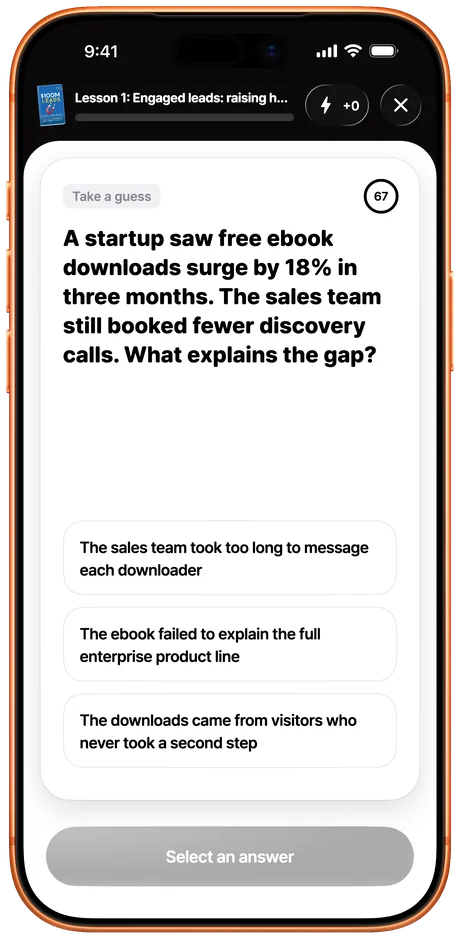
Hooked from page one.Every lesson opens on a question you want to answer, so your mind stays on it instead of drifting off.
Get it in seconds.Right after you answer, a few plain words show why. No dense chapters to push through.
Use it this week.Pick the moment you’ll use the idea in your own life, so it turns into a habit, not a highlight.
Questions about Psychology of Sport Injury
What is Psychology of Sport Injury about?
From a gymnast hiding ankle pain so she can compete to a basketball player who withdraws from friends after a season-ending injury, it can be argued that every sport injury affects or is affected in some way by psychological factors.
Who wrote Psychology of Sport Injury?
Britton W. Brewer wrote Psychology of Sport Injury.
Is there a summary of Psychology of Sport Injury?
MEMRBL doesn’t summarize it. It turns its ideas into short lessons on your iPhone: you guess first, see why, and plan where you’ll use each idea this week.
How do I remember what I read in Psychology of Sport Injury?
Answer questions about it instead of reading it again. Recalling an idea makes it stick better than rereading it (Pan and Sana, 2021). That is how every MEMRBL lesson works.
What books are like Psychology of Sport Injury?
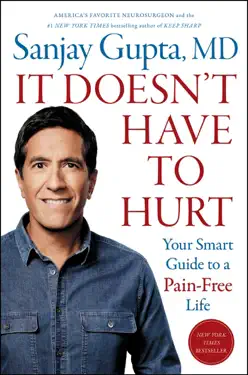
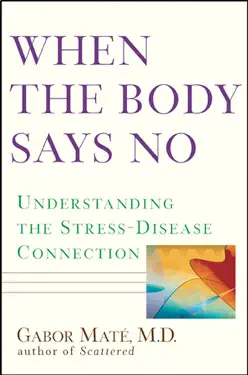
The Mindful Body, It Doesn't Have to Hurt and When the Body Says No. See all books like Psychology of Sport Injury.
Books like Psychology of Sport Injury
See all


Explore more books
Put Psychology of Sport Injury to work.
Short lessons on your iPhone. Free to download.