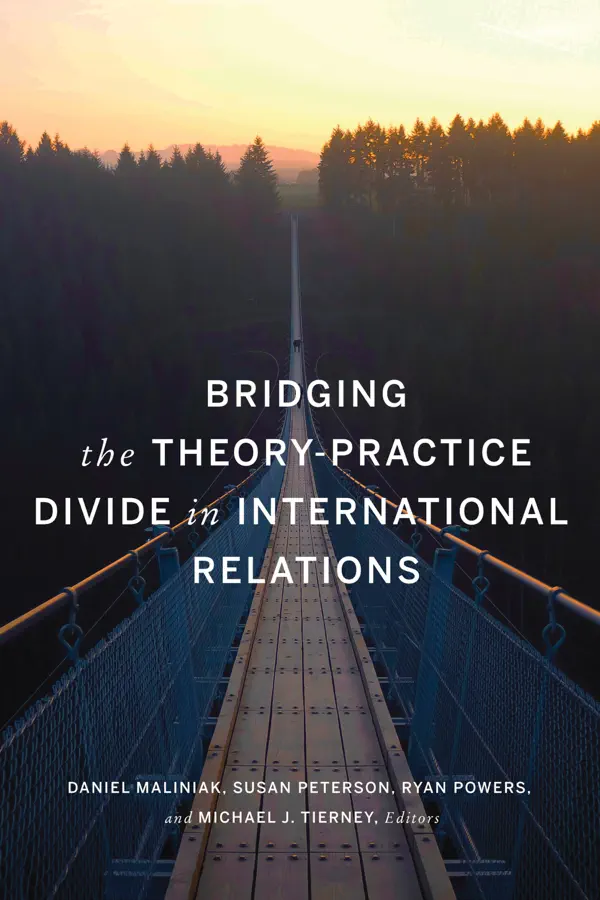
Bridging the Theory-Practice Divide in International Relations
Daniel Maliniak, Susan Peterson, Ryan Powers & Michael J. Tierney
Turn its ideas into short, game-like lessons you’ll actually finish.
About Bridging the Theory-Practice Divide in International Relations
There is a widening divide between the data, tools, and knowledge that international relations scholars produce and what policy practitioners find relevant for their work. In this first-of-its-kind conversation, leading academics and practitioners reflect on the nature and size of the theory-practice divide. They find the gap varies by issue area and over time.
The essays in this volume use data gathered by the Teaching, Research, and International Policy (TRIP) Project over a fifteen-year period. As a whole, the volume analyzes the structural factors that affect the academy’s ability to influence policy across issue areas and the professional incentives that affect scholars’ willingness to attempt to do so. Individual chapters explore these questions in the areas of trade, finance, human rights, development, environment, nuclear weapons and strategy, interstate war, and intrastate conflict. Each substantive chapter is followed by a response from a policy practitioner, providing their perspective on the gap and the possibility for academic work to have an impact.
Bridging the Theory-Practice Divide in International Relations provides concrete answers and guidance about how and when scholarship can be policy relevant.
A smarter reading
and learning experience.
Hooked from page one.Every lesson opens on a question you want to answer, so your mind stays on it instead of drifting off.


Get it in seconds.Right after you answer, a few plain words show why. No dense chapters to push through.

Use it this week.Pick the moment you’ll use the idea in your own life, so it turns into a habit, not a highlight.

Questions about Bridging the Theory-Practice Divide in International Relations
What is Bridging the Theory-Practice Divide in International Relations about?
There is a widening divide between the data, tools, and knowledge that international relations scholars produce and what policy practitioners find relevant for their work.
Who wrote Bridging the Theory-Practice Divide in International Relations?
Daniel Maliniak, Susan Peterson, Ryan Powers & Michael J. Tierney wrote Bridging the Theory-Practice Divide in International Relations.
Is there a summary of Bridging the Theory-Practice Divide in International Relations?
MEMRBL doesn’t summarize it. It turns its ideas into short lessons on your iPhone: you guess first, see why, and plan where you’ll use each idea this week.
How do I remember what I read in Bridging the Theory-Practice Divide in International Relations?
Answer questions about it instead of reading it again. Recalling an idea makes it stick better than rereading it (Pan and Sana, 2021). That is how every MEMRBL lesson works.
What books are like Bridging the Theory-Practice Divide in International Relations?
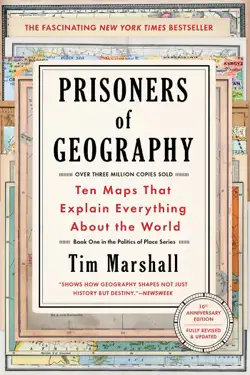
Prisoners of Geography, Manufacturing Consent and The Sociological Imagination. See all books like Bridging the Theory-Practice Divide in International Relations.
Books like Bridging the Theory-Practice Divide in International Relations
See all



Explore more books
Put Bridging the Theory-Practice Divide in International Relations to work.
Short lessons on your iPhone. Free to download.