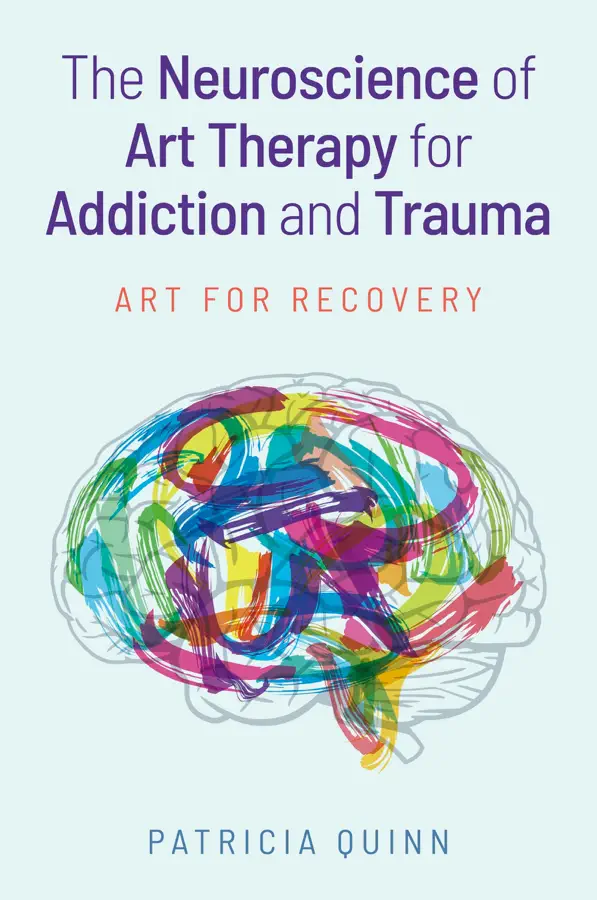
The Neuroscience of Art Therapy for Addiction and Trauma
Patricia Quinn
Turn its ideas into short, game-like lessons you’ll actually finish.
About The Neuroscience of Art Therapy for Addiction and Trauma
Long-term recovery from substance disorders can be elusive, as each individual may have complex needs that can be hard to uncover and address.
This book shows how art therapy may reduce treatment episodes and expedite recovery by identifying comorbid disorders and engaging clients with treatment-resistant conditions like trauma, learning disabilities and brain injuries. It also demonstrates how art therapy reconstitutes areas of the brain to restore resilience and relational wellbeing.
Example art therapy exercises offer ways to increase self-esteem, clarify and regulate emotions, and improve cognition and decision-making, as the transition to recovery is achieved.
A smarter reading
and learning experience.
Hooked from page one.Every lesson opens on a question you want to answer, so your mind stays on it instead of drifting off.

Get it in seconds.Right after you answer, a few plain words show why. No dense chapters to push through.
Use it this week.Pick the moment you’ll use the idea in your own life, so it turns into a habit, not a highlight.
Questions about The Neuroscience of Art Therapy for Addiction and Trauma
What is The Neuroscience of Art Therapy for Addiction and Trauma about?
Long-term recovery from substance disorders can be elusive, as each individual may have complex needs that can be hard to uncover and address.
Who wrote The Neuroscience of Art Therapy for Addiction and Trauma?
Patricia Quinn wrote The Neuroscience of Art Therapy for Addiction and Trauma.
Is there a summary of The Neuroscience of Art Therapy for Addiction and Trauma?
MEMRBL doesn’t summarize it. It turns its ideas into short lessons on your iPhone: you guess first, see why, and plan where you’ll use each idea this week.
How do I remember what I read in The Neuroscience of Art Therapy for Addiction and Trauma?
Answer questions about it instead of reading it again. Recalling an idea makes it stick better than rereading it (Pan and Sana, 2021). That is how every MEMRBL lesson works.
What books are like The Neuroscience of Art Therapy for Addiction and Trauma?
Unwinding Anxiety, Whole Brain Living and Feeling Good. See all books like The Neuroscience of Art Therapy for Addiction and Trauma.
Books like The Neuroscience of Art Therapy for Addiction and Trauma
See all


Explore more books
Put The Neuroscience of Art Therapy for Addiction and Trauma to work.
Short lessons on your iPhone. Free to download.