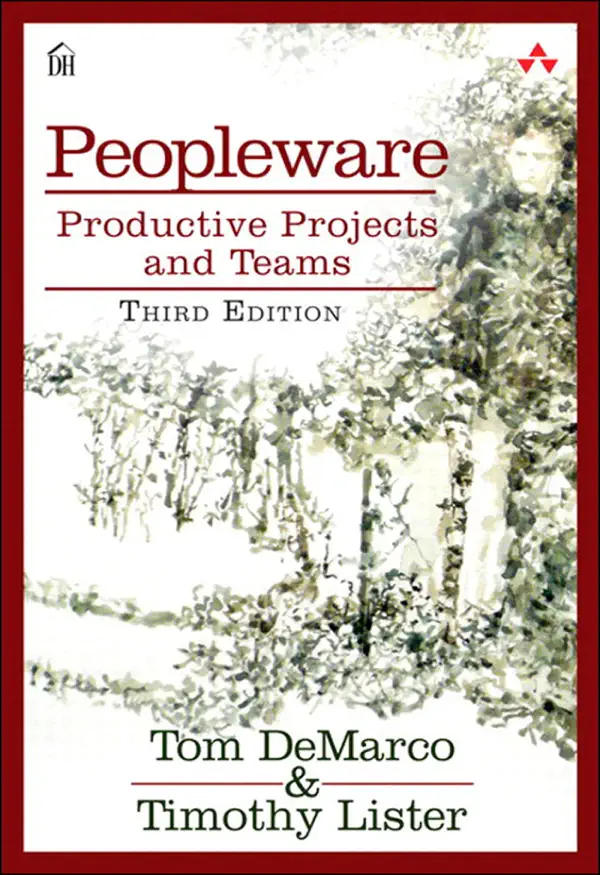
Peopleware
Tom DeMarco and Timothy Lister
Rated 5.0 from 6 ratings on Apple Books
Turn its ideas into short, game-like lessons you’ll actually finish.
About Peopleware
Few books in computing have had as profound an influence on software management as Peopleware. The unique insight of this longtime best seller is that the major issues of software development are human, not technical. They’re not easy issues; but solve them, and you’ll maximize your chances of success.
“Peopleware has long been one of my two favorite books on software engineering. Its underlying strength is its base of immense real experience, much of it quantified. Many, many varied projects have been reflected on and distilled; but what we are given is not just lifeless distillate, but vivid examples from which we share the authors’ inductions. Their premise is right: most software project problems are sociological, not technological. The insights on team jelling and work environment have changed my thinking and teaching. The third edition adds strength to strength.”
— Frederick P. Brooks, Jr., Kenan Professor of Computer Science, University of North Carolina at Chapel Hill, Author of The Mythical Man-Month and The Design of Design
“Peopleware is the one book that everyone who runs a software team needs to read and reread once a year. In the quarter century since the first edition appeared, it has become more important, not less, to think about the social and human issues in software develop¿ment. This is the only way we’re going to make more humane, productive workplaces. Buy it, read it, and keep a stock on hand in the office supply closet.”
—Joel Spolsky, Co-founder, Stack Overflow
“When a book about a field as volatile as software design and use extends to a third edition, you can be sure that the authors write of deep principle, of the fundamental causes for what we readers experience, and not of the surface that everyone recognizes. And to bring people, actual human beings, into the mix! How excellent. How rare. The authors have made this third edition, with its additions, entirely terrific.”
—Lee Devin and Rob Austin, Co-authors of The Soul of Design and Artful Making
For this third edition, the authors have added six new chapters and updated the text throughout, bringing it in line with today’s development environments and challenges. For example, the book now discusses pathologies of leadership that hadn’t previously been judged to be pathological; an evolving culture of meetings; hybrid teams made up of people from seemingly incompatible generations; and a growing awareness that some of our most common tools are more like anchors than propellers. Anyone who needs to manage a software project or software organization will find invaluable advice throughout the book.
A smarter reading
and learning experience.
Hooked from page one.Every lesson opens on a question you want to answer, so your mind stays on it instead of drifting off.
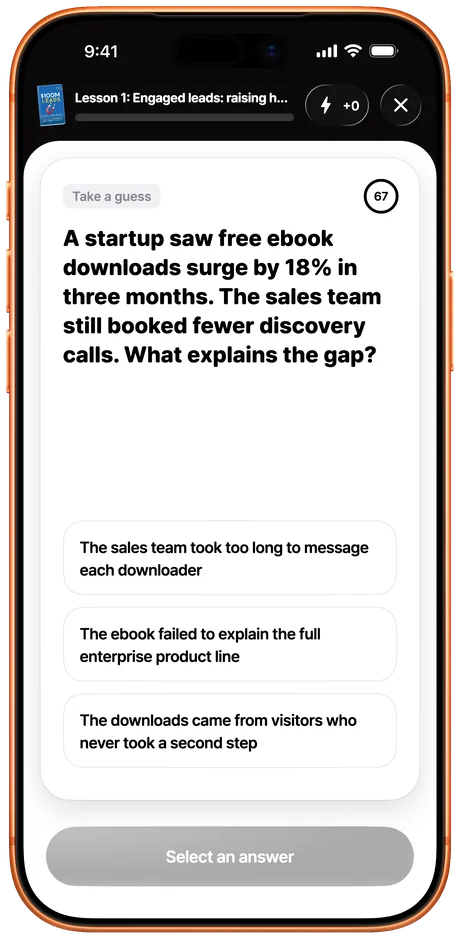
Get it in seconds.Right after you answer, a few plain words show why. No dense chapters to push through.

Use it this week.Pick the moment you’ll use the idea in your own life, so it turns into a habit, not a highlight.

Questions about Peopleware
What is Peopleware about?
Few books in computing have had as profound an influence on software management as Peopleware. The unique insight of this longtime best seller is that the major issues of software development are human, not technical.
Who wrote Peopleware?
Tom DeMarco and Timothy Lister wrote Peopleware.
Is Peopleware worth reading?
Readers on Apple Books rate it 5.0 out of 5, from 6 ratings.
Is there a summary of Peopleware?
MEMRBL doesn’t summarize it. It turns its ideas into short lessons on your iPhone: you guess first, see why, and plan where you’ll use each idea this week.
How do I remember what I read in Peopleware?
Answer questions about it instead of reading it again. Recalling an idea makes it stick better than rereading it (Pan and Sana, 2021). That is how every MEMRBL lesson works.
What books are like Peopleware?
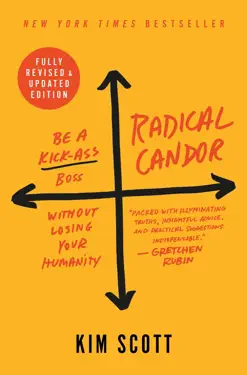
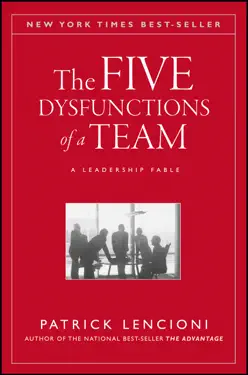
The Fearless Organization, Radical Candor and The Five Dysfunctions of a Team. See all books like Peopleware.
Books like Peopleware
See all


Explore more books
Put Peopleware to work.
Short lessons on your iPhone. Free to download.