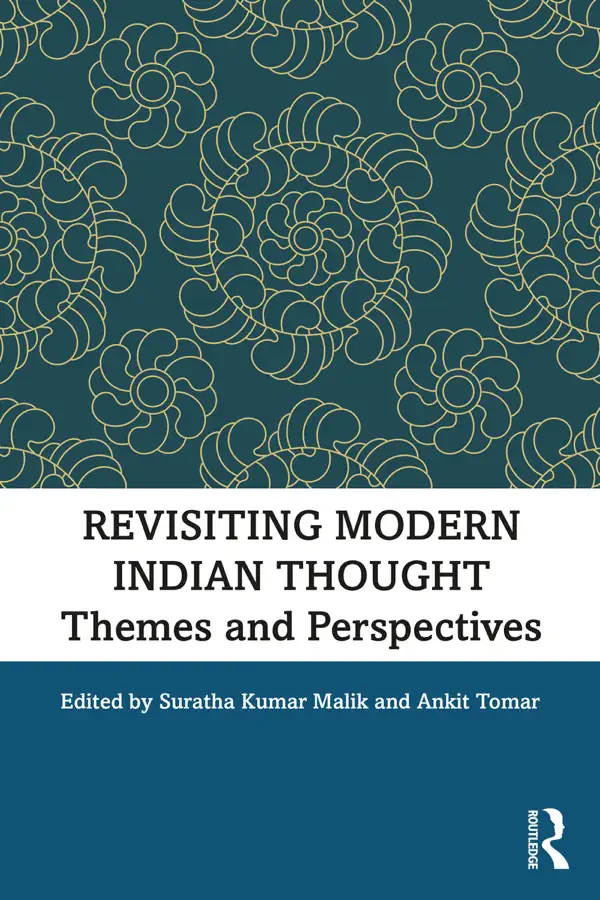
Revisiting Modern Indian Thought
Suratha Kumar Malik & Ankit Tomar
Turn its ideas into short, game-like lessons you’ll actually finish.
About Revisiting Modern Indian Thought
This book presents a comprehensive account of the socio-political thought of prominent modern Indian thinkers. It offers a clear understanding of the basic concepts and their contributions on contemporary issues.
Key features: Explores the nature, scope, relevance, context, and theoretical approaches of modern Indian thought and overviews its development through an in-depth study of the lives and ideas of major thinkers. Examines critical themes such as nationalism, swaraj, democracy and state, liberalism, revolution, socialism, constitutionalism, secularism, satyāgraha, swadeshi, nationbuilding, humanism, ethics in politics, democratic decentralisation, religion and politics, social transformation and emancipation, and social and gender justice under sections on liberal-reformist, moderate-Gandhian, and leftist-socialist thought. Brings together insightful essays on Raja Ram Mohan Roy, Ishwar Chandra Vidyasagar, Dayānanda Saraswati, Ramakrishna Paramhansa, Pandita Ramabai, Periyar E. V. Ramasamy, Jyotirao Govindrao Phule, Babasaheb Ambedkar, Dadabhai Naoroji, Gopal Krishna Gokhale, Mahatma Gandhi, Jawaharlal Nehru, Subhas Chandra Bose, Ram Manohar Lohia, Babu Jagjivan Ram, Vinoba Bhave, Acharya Narendra Deva, Manabendra Nath Roy, and Jayaprakash Narayan. Traces different perspectives on the way India’s composite cultures, traditions, and conditions inf luenced the evolution of their thought and legacy. With its accessible style, this book will be useful to teachers, students, and scholars of political science, modern Indian political thought, modern Indian history, and political philosophy. It will also interest those associated with exclusion studies, political sociology, sociology, and South Asian studies.
A smarter reading
and learning experience.
Hooked from page one.Every lesson opens on a question you want to answer, so your mind stays on it instead of drifting off.

Get it in seconds.Right after you answer, a few plain words show why. No dense chapters to push through.

Use it this week.Pick the moment you’ll use the idea in your own life, so it turns into a habit, not a highlight.
Questions about Revisiting Modern Indian Thought
What is Revisiting Modern Indian Thought about?
This book presents a comprehensive account of the socio-political thought of prominent modern Indian thinkers. It offers a clear understanding of the basic concepts and their contributions on contemporary issues.
Who wrote Revisiting Modern Indian Thought?
Suratha Kumar Malik & Ankit Tomar wrote Revisiting Modern Indian Thought.
Is there a summary of Revisiting Modern Indian Thought?
MEMRBL doesn’t summarize it. It turns its ideas into short lessons on your iPhone: you guess first, see why, and plan where you’ll use each idea this week.
How do I remember what I read in Revisiting Modern Indian Thought?
Answer questions about it instead of reading it again. Recalling an idea makes it stick better than rereading it (Pan and Sana, 2021). That is how every MEMRBL lesson works.
What books are like Revisiting Modern Indian Thought?
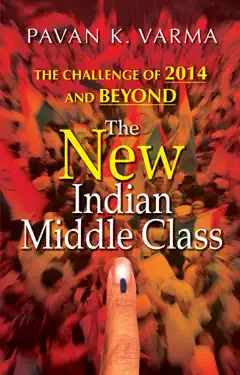
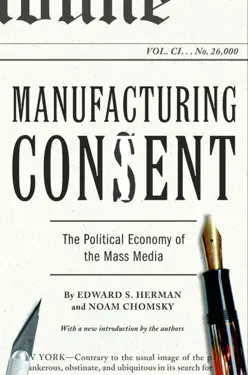
Orientalism, The New Indian Middle Class and Manufacturing Consent. See all books like Revisiting Modern Indian Thought.
Books like Revisiting Modern Indian Thought
See all


Explore more books
Put Revisiting Modern Indian Thought to work.
Short lessons on your iPhone. Free to download.